Use a fish tank pH tester before the water decision, not after the panic

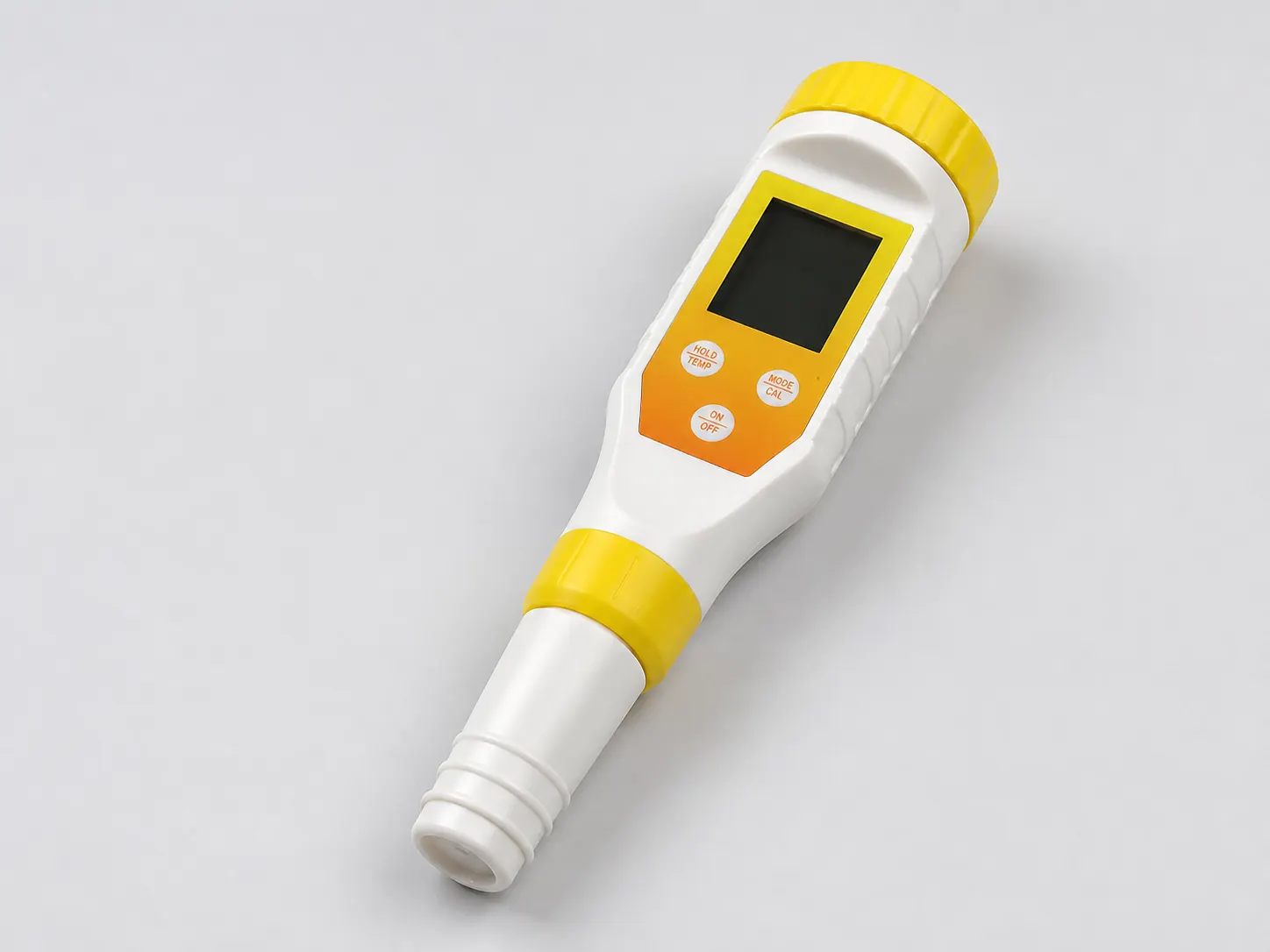
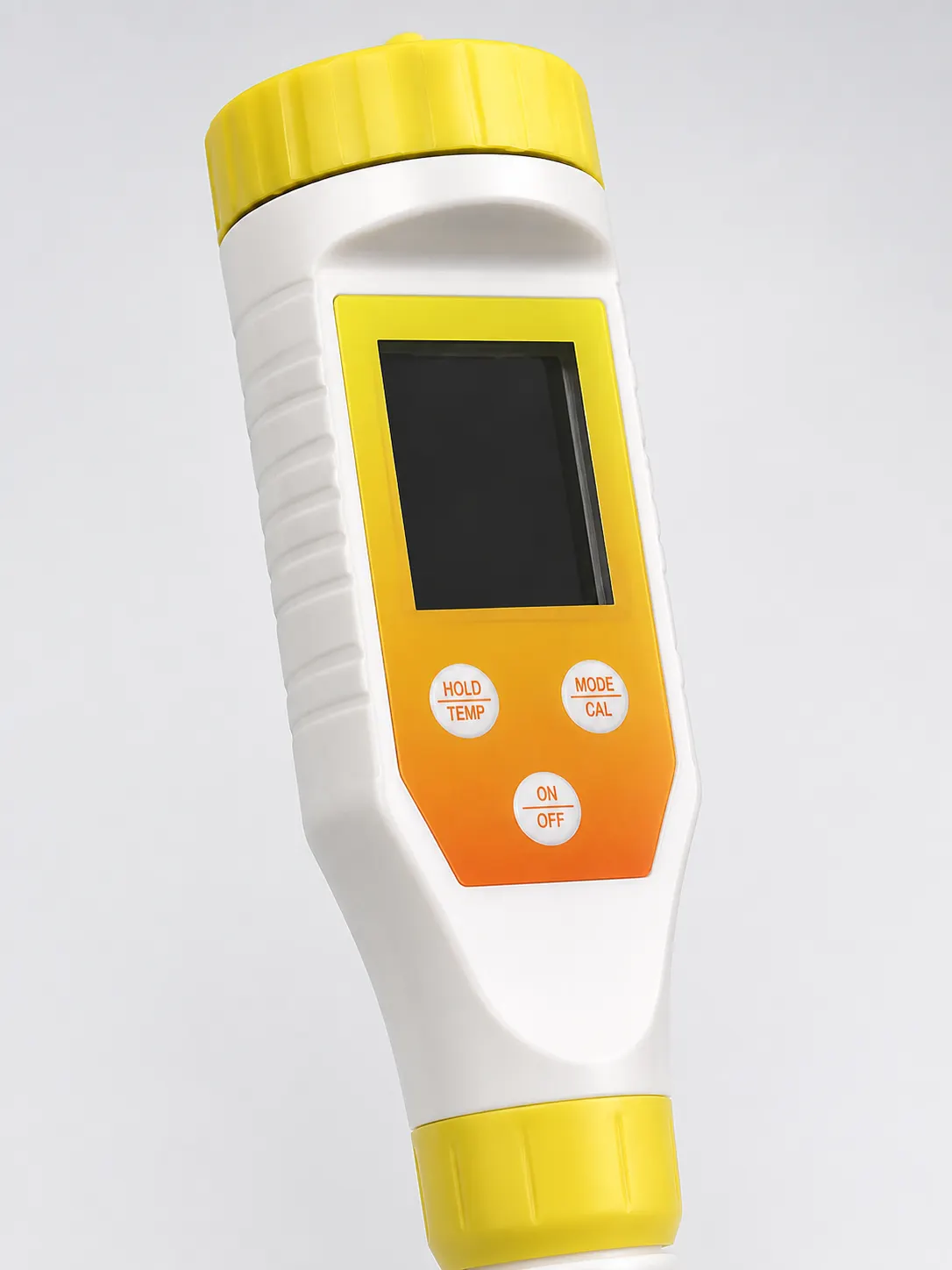
If you are looking for a fish tank ph tester uk, use it as a quick screening tool before adding fish, shrimp, plants or replacement water. The YY-1066C 7-in-1 Water Quality Tester is listed as a water quality rapid analyser, with documented test items including pH, total hardness and salinity, powered by four LR44 cells. That makes it most relevant when you need a repeatable digital check on the water in a tank, bucket or prepared mix, rather than relying only on a colour chart or a vague memory of what the tap water was like last week.
The key buying decision is whether those documented test items answer your actual aquarium question. On a kitchen worktop in a Bristol flat, for example, a keeper mixing mains water and RO water may care about pH, hardness and salinity because those readings influence whether the water looks broadly consistent with the setup they are trying to maintain. The tester should not be treated as a magic answer to every aquarium problem. It does not, from the supplied facts, claim to test ammonia, nitrite, nitrate, chlorine, copper, KH or disease causes, so the sensible role is quick directional checking rather than full livestock diagnosis.
Match the tester to the UK tank job on your bench
Many UK fishkeepers are not testing water for curiosity; they are trying to make a decision under pressure. A new tank in a rented Birmingham kitchen, a shrimp bowl on a home office shelf, or a community aquarium after a large water change all create the same practical question: is this water close enough to what the livestock and setup need, or should you stop and investigate? A tester with pH, total hardness and salinity listed can help with that first sorting job, especially when tap water, stored water and remineralised RO water may not behave the same way.
The setting matters because the best reading is the one taken from the water you are actually about to use. A water company report can describe local supply, but it will not tell you what happened after water sat in a bucket, passed through a filter, mixed with minerals, or entered a tank with substrate and decor. A handheld rapid analyser fits the moment when you want to compare the tank, the fresh bucket and perhaps the tap at the sink. It is less useful if the problem is already clearly outside its listed test items, such as suspected toxic compounds, infection, oxygen shortage or a filter cycle issue.
Check the documented facts before assuming it covers every aquarium parameter
The frozen product facts identify the item as the YY-1066C 7-in-1 Water Quality Tester and describe it as a water quality rapid analyser. The documented test items are pH, total hardness and salinity. Those are useful water-balance indicators, but they are not the whole aquarium picture. pH tells you about acidity or alkalinity. Total hardness gives a view of dissolved minerals. Salinity is especially relevant where salt level matters, such as brackish setups, marine preparation, salt treatment checks or comparing water where salts may have been added.
The same facts also say it is powered by LR44 x4, meaning four LR44 cells. That matters in a practical way because a digital tool depends on usable power when you need it. Before buying, check that the listed parameters match your care routine and that you are comfortable keeping the required cells available. Do not assume from the phrase 7-in-1 that every aquarium parameter you have heard about is included. For this buying decision, the reliable public facts are the named product type, the three listed test items and the battery format. Anything beyond that should be treated as unknown unless the product page documents it clearly.
Avoid a mismatch if you need cycling, safety or disease answers
A pH, hardness and salinity tester should not be bought as a replacement for every aquarium test you may need. If you are cycling a new filter, investigating sudden fish deaths, checking whether tap water is safe to drink, or trying to confirm disinfectant, bacteria or heavy metal concerns, the supplied facts do not support using this tester as the full answer. That does not make it useless; it simply gives it a narrower job. It is a home screening tool for listed water-quality readings, not a complete laboratory report or a guarantee of safe aquarium conditions.
This is where many buyers go wrong. They see a digital number and feel it must be more decisive than a strip or liquid kit, but a number is only useful if it measures the right thing. If your forum advice says to check ammonia or nitrite, a tester documented for pH, total hardness and salinity will not answer that question from the facts provided here. If your shrimp are struggling after a mineral change, hardness may be relevant. If your brackish mix seems off, salinity may be relevant. If fish are gasping, clamped or showing visible illness, you need to look beyond this tester’s listed scope and use the right water checks or specialist advice.
Run a kitchen worktop check before adding fish or shrimp
A practical sequence is to test the water before it reaches the tank, then compare it with the tank water you are trying to protect. Put the prepared water on a stable kitchen worktop, away from food preparation, and label what you are checking: tap water, conditioned bucket water, RO mix or tank water. Use the tester only for the documented readings you can reasonably expect from it: pH, total hardness and salinity. Write down the results with the date and the water source rather than relying on memory, because the useful pattern is often the difference between samples, not one isolated number.
Then decide whether the reading supports the next action. If the bucket looks meaningfully different from the tank for the parameters you care about, pause before adding it. If a new livestock purchase requires a particular water style, compare the prepared water with your target before the bag is opened. If you are adjusting minerals, check in stages rather than chasing one perfect number at speed. The calm routine is simple: sample, read, record, compare, then act. That sequence suits beginners because it creates a habit of checking before intervention, not after the tank has already been changed.
Use this checklist to compare the tester with your setup
Start with the water question: do you mainly need pH, total hardness or salinity visibility? If your answer is yes, the documented facts are aligned with the job. If your main concern is ammonia, nitrite, nitrate, chlorine, KH, phosphate or disease investigation, this is not enough on its own based on the information supplied. Next, check the surface and setup. You need a clean, steady place such as a utility-room counter, aquarium cabinet top or kitchen worktop where samples can be handled consistently without mixing tank water with food or household chemicals.
Then check content and environment. The listed product is a rapid analyser, so treat it as a quick at-home reading tool for the named parameters, not a professional report. Confirm you can manage the power requirement, because the documented supply is LR44 x4. Finally, plan aftercare around consistency: keep notes of which water you tested, when you tested it and what was changed afterwards. The most useful comparison is often tank water against the next bucket of water, or tap water against an RO/tap mix. That is more helpful than buying any gadget and expecting it to interpret the aquarium for you.
Choose it when the listed readings shape the next aquarium step
This tester makes the most sense for a UK hobbyist who wants fewer judgement calls around water balance. It can suit someone setting up a new tank, preparing change water, checking whether tap and RO mixes are staying consistent, or looking at salinity where that parameter is part of the setup. It can also help someone who finds colour strips hard to read, provided they understand that a digital reading still needs context. The value is not in replacing thought; it is in giving you a clearer starting point for pH, total hardness and salinity.
It is a poorer fit for a buyer who wants a single product to diagnose everything. If you want livestock-health certainty, official drinking-water safety, filter-cycle confirmation or disinfectant testing, the supplied product facts do not support those uses. If you are keeping sensitive fish or shrimp, the tester may still form part of a broader routine, but the buying decision should be honest: it is for the documented parameters. That honesty matters because it stops you making risky changes from an incomplete picture, especially when a tank problem may have several causes at once.
Take the next step by mapping readings to one planned action
Before buying, write down the next three water decisions you actually expect to make. For example: checking a bucket before a water change, comparing tap water with RO mix, or confirming salinity in a prepared setup. If at least one of those decisions depends on pH, total hardness or salinity, the YY-1066C’s documented facts are relevant. If none of them do, look for the correct test type instead of forcing this product into the job. That small exercise prevents the common mistake of buying a broad-sounding water tester for a narrow but different problem.
A grounded next step is to build a simple bench routine around the named parameters. Keep the tester, a clean sample container, a note sheet and spare LR44 cells together near the aquarium supplies, then test at the point where the reading can still change your decision. For a Manchester community tank, that might mean checking the fresh bucket before it goes in. For a small shrimp setup, it might mean comparing the remineralised water with the tank before topping up. Use the number to slow down and choose the next sensible step, not to rush into changing everything at once.