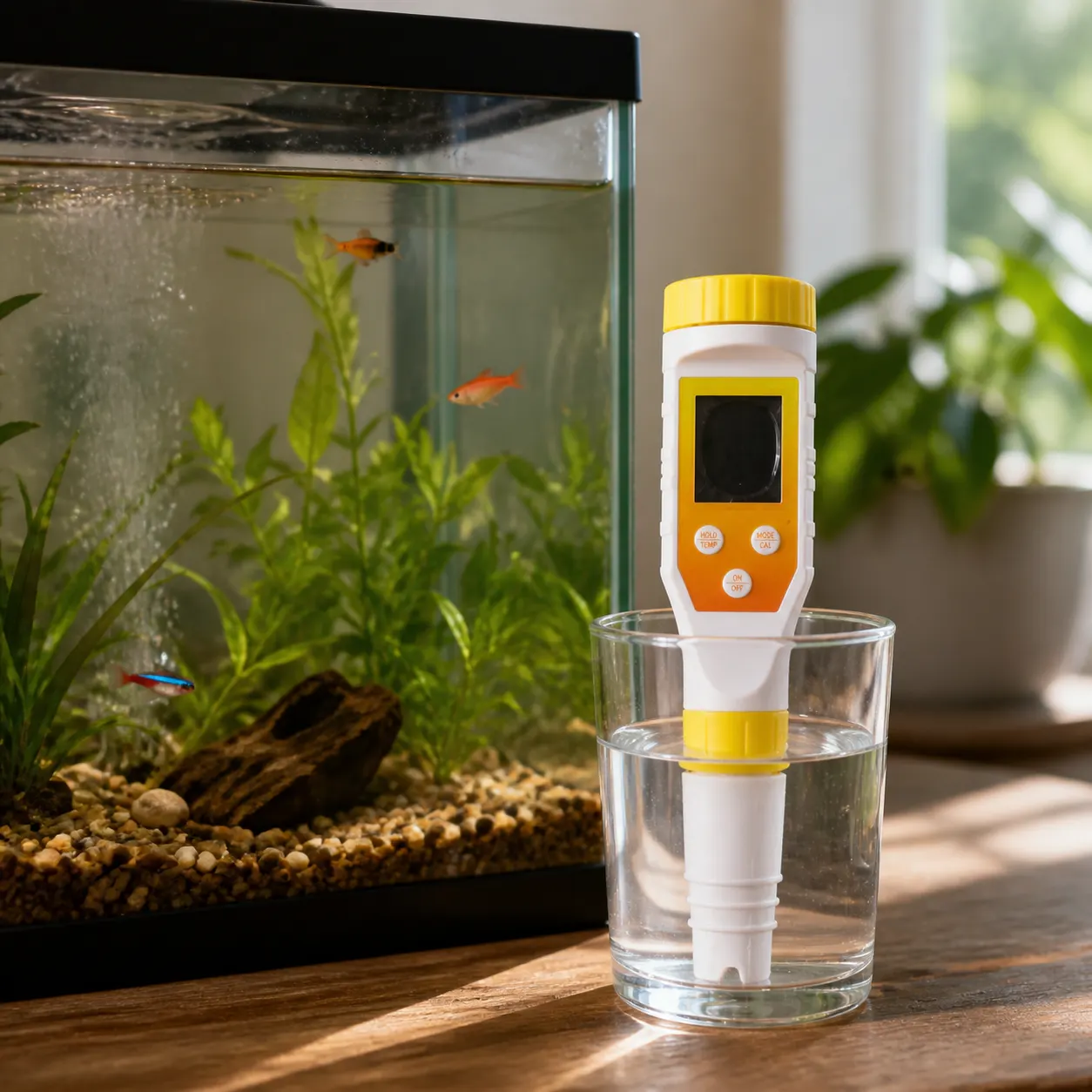
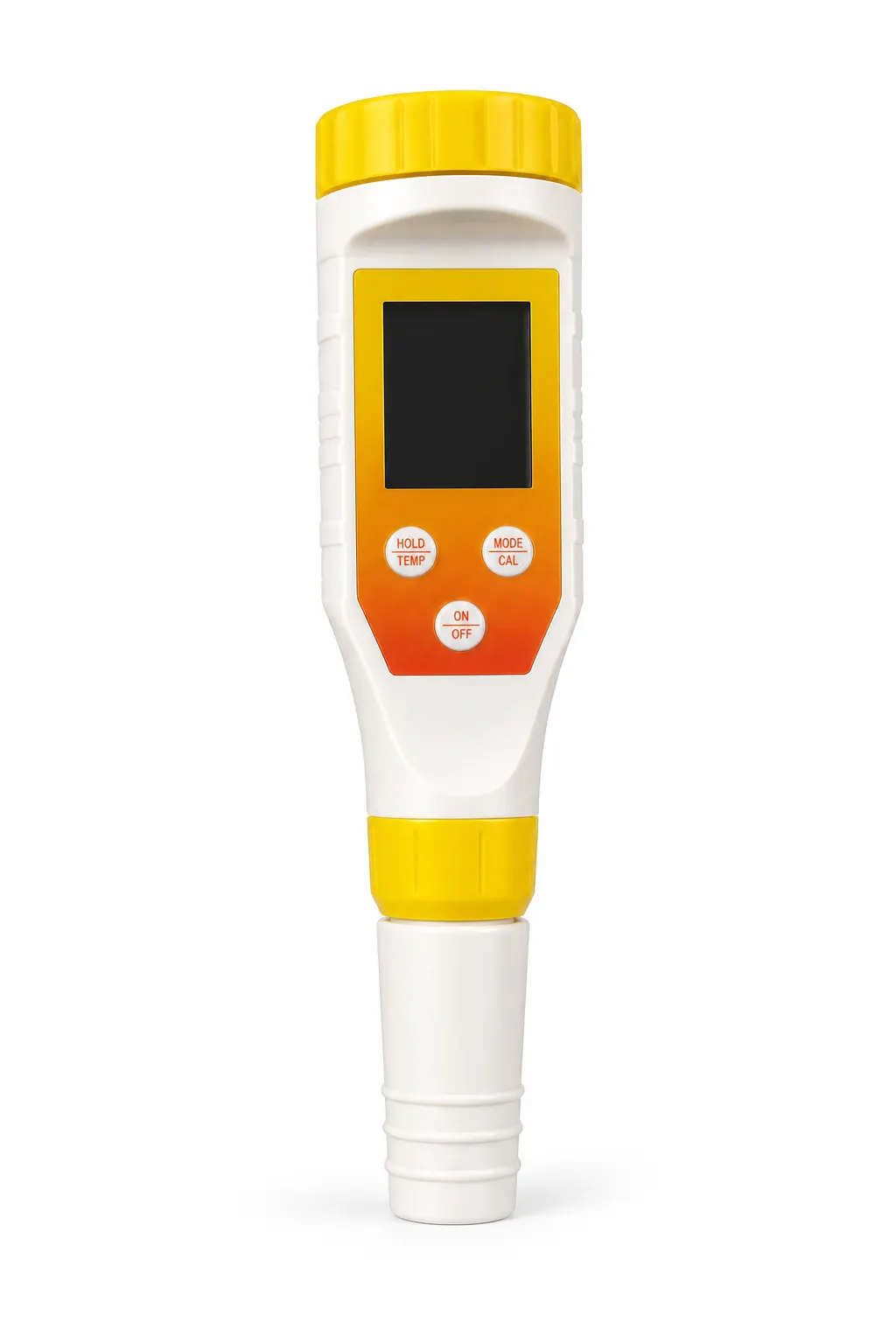
Short answer: A digital pH hardness salinity meter can help compare selected water samples, but a display does not make an unknown measurement complete. Waterquali lists the YY-1066C as a rapid water-quality analyser for pH, total hardness and salinity, with four LR44 cells. The current page does not publish accuracy, calibration, ranges, resolution or drinking-water approval. For UK buyers, use the tester only for the named readings, label each sample, keep a record and use an accredited or official route for drinking-water safety questions rather than treating a consumer meter as proof of wholesomeness.
Read the three named functions accurately
Waterquali's product page names pH, total hardness and salinity, and describes the YY-1066C as a water quality rapid analyser. Those are the functions a buyer can use to frame a shortlist. The page does not provide a parameter-by-parameter specification, accuracy table, calibration method or measurement range.
A pH, hardness or salinity reading can be relevant to a fish tank or prepared water, but the meaning depends on the sample and the intended use. OATA's aquarium guidance supports testing a wider set of parameters for fish care. Do not present the three listed functions as a full water-quality panel.
| Use case | What the product page supports | What it cannot establish |
|---|---|---|
| Aquarium comparison | pH, total hardness and salinity are named | Fish-health outcome or complete cycling status |
| Tap-water observation | A rapid analyser is described | Drinking-water wholesomeness |
| Prepared water | The named readings can be compared | A species-specific target or guarantee |
| Power | Four LR44 cells are listed | Runtime and battery-life performance |
Keep sample comparison disciplined
Use a clean, labelled sample and write down whether it is tap water, tank water, pond water or a prepared mix. The point of a rapid reading is to support a defined comparison, not to collect unexplained numbers. Repeat an unexpected result before making a large adjustment, especially when the page does not publish the instrument's repeatability or calibration routine.
A simple record should include source, date, recent treatment or water change, the three relevant readings and the action taken. That record can reveal a change in the source or setup, but it does not convert a consumer reading into a regulated test result.
- Define whether the decision concerns pH, total hardness, salinity or another parameter.
- Label the sample and keep collection conditions consistent.
- Check the product instructions and use four fresh LR44 cells as specified.
- Repeat an unexpected result before adjusting the water.
- Move to the appropriate specialist or official test when the question exceeds the listed scope.
Do not use it as a drinking-water verdict
The Drinking Water Inspectorate says drinking-water concerns should be raised with the water supplier, and private supplies are handled with local-authority advice and appropriate testing. Those routes assess a wider set of microbiological and chemical risks than the three readings named on this product page.
The YY-1066C page does not claim drinking-water approval, microbial testing, contaminant detection, certification or regulatory compliance. Do not describe a reassuring pH, hardness or salinity display as proof that water is safe to drink, and do not use the meter to replace official or accredited testing.
Limits and checks before buying
Manufacturer does not specify accuracy, calibration, ranges, resolution, units, sampling method, certification, drinking-water safety, aquarium compatibility or fish-health outcome. It also does not specify runtime or battery life beyond listing four LR44 cells.
Buy when the three named readings answer a narrow comparison question and the missing performance details do not control the decision. If you need legal compliance, drinking-water safety, contaminant screening, a species prescription or a published accuracy tolerance, choose the correct regulated or specialist route.
Related guides and product details
Use the YY-1066C as a narrow comparison tool for its named readings, never as a drinking-water approval or complete aquarium test. Read Fish Tank pH Tester UK: Check the Wider Water Routine for related guidance. Read Aquarium Water Test Meter: Check the Scope First for related guidance. Review the documented specification on the YY-1066C 7-in-1 Water Quality Tester product page before ordering.
Sources and safety context
- Supports the YY-1066C identity, rapid-analyser description, named readings and four LR44 cells. Current Waterquali product page.
- Supports contacting the water supplier or local authority for drinking-water concerns and the distinction between consumer checks and representative accredited sampling. Water testing.
- Supports broader aquarium testing context; it does not certify this meter. How to test water quality in your freshwater tank or aquarium.